
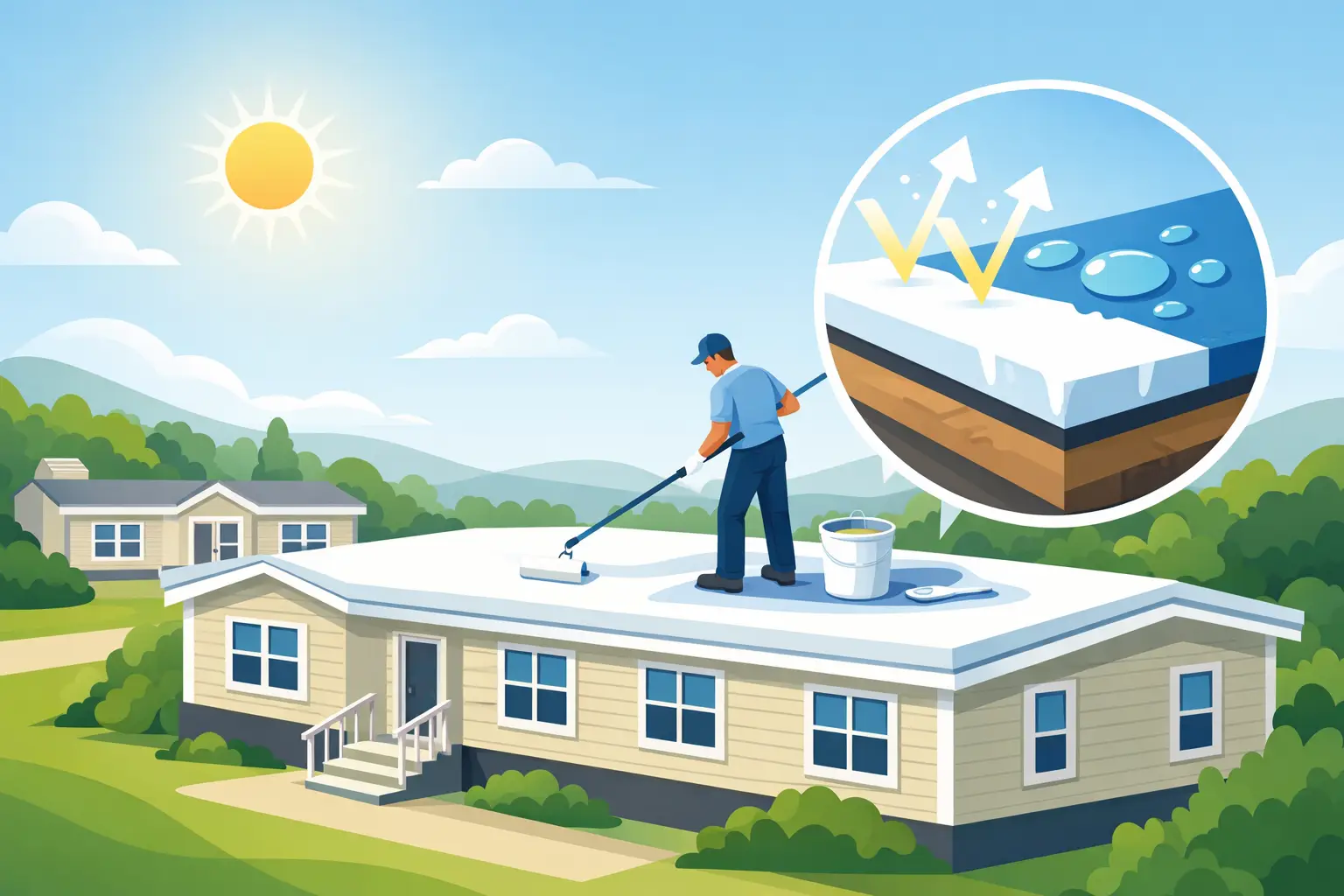
Roof Coating for Manufactured Homes
A small roof leak on a manufactured home rarely stays small for long. In Florida, heat, heavy rain, wind, and constant sun can wear down roofing materials faster than many homeowners expect. That is why roof coating for manufactured homes is often one of the smartest ways to protect the home you already have without rushing into a full roof replacement.
A quality coating can seal minor problem areas, improve weather resistance, and help your roof handle more years of exposure. But not every roof is a good candidate, and not every coating delivers the same results. The right choice depends on your roof’s condition, the material already in place, and how much long-term protection you want.
What roof coating for manufactured homes actually does
Roof coating is not just paint. It is a protective roofing layer designed to bond to the existing roof surface and create a more durable barrier against water, UV rays, and everyday wear. On many manufactured homes, that extra layer can help slow deterioration and reduce the chance of leaks developing around seams, fasteners, and aging sections of roof.
In Florida, sun exposure is a major factor. Roof surfaces expand and contract over time, and that movement can stress the roof system. A properly selected coating can reflect heat, limit some of that surface damage, and help the roof perform better in harsh weather. For many homeowners, that also means a more comfortable interior and less strain on cooling systems during the hottest months.
Still, coating is not a cure-all. If the roof deck is soft, insulation is waterlogged, or there is serious structural damage, a coating alone will not fix the underlying problem. In those cases, repairs or replacement may be the better investment.
When a manufactured home roof is a good candidate
The best candidates for coating are roofs that are aging but still structurally sound. If your roof has minor leaks, light surface rust on metal, worn sealant, or signs of sun damage, a coating system may extend its useful life at a lower cost than replacement.
This is especially common with manufactured homes that have metal roofs or flat and low-slope roof systems. These roofs often develop issues at seams and penetrations before the entire system fails. Catching those problem areas early can make coating a practical option.
A roof inspection matters here. Homeowners sometimes assume a coating can be rolled over any leak and solve it. In reality, surface prep, repair work, and product compatibility all matter. The roof has to be cleaned, dried, and repaired correctly before coating is applied, or the new layer may fail sooner than expected.
Types of roof coating for manufactured homes
Not all coatings are built for the same roof or the same weather conditions. The most common options include elastomeric, silicone, and aluminum-based coatings. Each has strengths, and each has trade-offs.
Elastomeric coatings are popular because they create a flexible membrane that can move with the roof. That flexibility is useful on manufactured homes, where roofing materials may expand and contract under heat. These coatings also tend to provide good reflectivity, which can help reduce roof surface temperature.
Silicone coatings are often chosen for strong moisture resistance. They perform well in areas with heavy rain and ponding concerns, which makes them worth considering in Florida. The trade-off is that silicone can attract dirt over time, and future recoating may require more specific prep.
Aluminum coatings are commonly used on metal roofs. They can help protect against UV damage and offer a reflective finish, but they are not always the best fit for every roof type. If the roof has mixed materials, old patchwork, or membrane sections, a different system may be more appropriate.
The right product is less about what is most popular and more about what fits your roof’s material, current condition, and exposure.
Benefits of roof coating for manufactured homes
For many homeowners, the biggest benefit is extending roof life. If the roof is still in serviceable condition, coating can delay replacement and add years of performance. That matters when you want to protect your budget while still taking care of the home properly.
Leak prevention is another major advantage. Coatings can help reinforce vulnerable areas and create a more continuous protective surface. That is particularly valuable on manufactured homes, where seams and roof penetrations are often the first trouble spots.
Energy savings can also play a role. Reflective coatings may help reduce heat absorption, which can make the home easier to cool. Results vary based on insulation, roof color, and HVAC efficiency, but many Florida homeowners appreciate any improvement that helps with summer comfort.
There is also a maintenance benefit. A coated roof is often easier to monitor and maintain because the protective surface can make wear patterns more visible. Instead of waiting for a major leak, homeowners may be able to spot smaller issues earlier.
What coating will not do
This is where honest expectations matter. Roof coating for manufactured homes can be a strong protective upgrade, but it does not rebuild a failing roof. It will not correct rotten decking, fix major sagging, or make poor previous workmanship disappear.
It also will not perform well if applied over dirt, loose rust, wet surfaces, or damaged materials that should have been repaired first. The success of a coating system depends heavily on preparation. A cheaper job that skips cleaning, sealing, and detail work often ends up costing more when problems return.
Another point homeowners should know is that coatings are not always a one-time solution for the life of the home. Like any roofing system, they may need maintenance and eventual recoating depending on the product and conditions.
Why specialty experience matters
Manufactured homes are not just smaller versions of site-built houses. Their roof systems have different dimensions, attachment methods, drainage patterns, and material needs. That is why specialty experience matters when evaluating coating options.
A contractor who regularly works on manufactured, mobile, and modular homes is more likely to recognize the common weak points and recommend a system that actually fits the structure. That includes understanding how the roof was built, how it moves, and where water is most likely to get in.
This is also where workmanship becomes a big part of value. A fair price matters, but so does using the right coating, making the right repairs first, and applying the system to manufacturer standards. A roof coating should add protection and peace of mind, not create a false sense of security.
How to know whether coating or replacement makes more sense
If your roof has isolated issues and the structure beneath it is sound, coating may be the more cost-effective path. It can restore protection, improve performance, and buy meaningful time before replacement is needed.
If leaks are widespread, the substrate is damaged, or the roof has already been coated multiple times with mixed results, replacement may be the better long-term decision. The lowest upfront price is not always the best value if the roof is already near the end of its service life.
That is why a straightforward inspection is so important. Homeowners deserve a clear answer about whether their roof can be preserved or whether it is time to start over. At Tropical Seal, that specialist approach is central to recommending solutions that fit the home instead of pushing a one-size-fits-all fix.
What homeowners should expect from the process
A professional coating project usually starts with inspection and surface preparation. The roof is cleaned, damaged areas are addressed, seams and penetrations are reinforced as needed, and the coating is applied according to the roof type and product requirements.
The exact timeline depends on roof size, weather, and the amount of prep work involved. On a manufactured home, the details matter more than speed. Careful prep and correct application are what give the coating its real value.
If you are seeing early leaks, rising heat inside the home, or signs that your roof is wearing out under Florida weather, it is worth getting expert guidance before the damage spreads. A well-matched coating can be a practical, affordable way to protect your home longer and avoid bigger repairs later.