
How Long Do Modular Roofs Last in Florida?
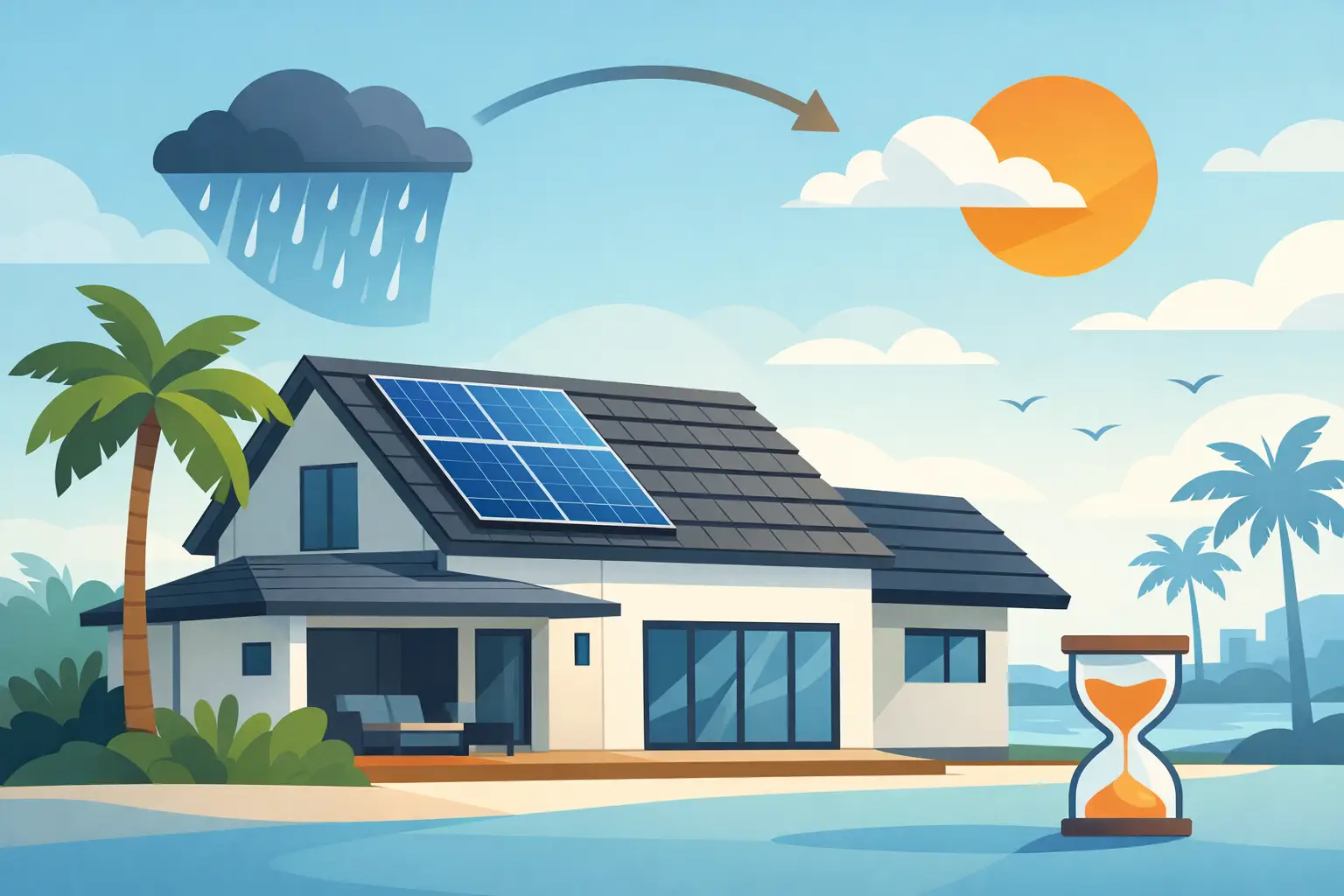
A small ceiling stain after a hard Florida rain can raise a big question for a modular homeowner: how long do modular roofs last? The honest answer depends on the roof system, the quality of the original installation, maintenance, and the punishment it has taken from sun, wind, rain, and storms. A well-fitted roof can protect your home for decades. An aging or poorly installed roof can begin leaking far sooner.
For most modular and manufactured homes, a properly installed replacement roof can last about 20 to 30 years, and some premium systems may perform longer with consistent care. Original factory roofs, especially thinner metal or older shingle systems, may have a shorter practical lifespan in Florida. The condition of your specific roof matters more than its age alone.
How Long Do Modular Roofs Last by Material?
Modular homes can use several roofing materials, and each has a different expected service life. Because these homes have their own roof framing, dimensions, and drainage needs, material performance also depends heavily on whether the system was designed for the home instead of adapted from a standard residential roof.
Metal roofing: often 30 to 50 years
Metal is a popular choice for modular and manufactured homes because it is lightweight, durable, and well suited to Florida’s intense weather. A quality metal roof with proper fasteners, sealed seams, and adequate slope can last 30 to 50 years. In coastal areas, corrosion resistance is especially important. Salt air can shorten the life of unprotected or damaged metal panels.
Metal does not mean maintenance-free. Loose screws, worn sealant around penetrations, surface rust, and storm damage should be addressed early. Small issues at seams or fasteners can allow water beneath the panels, where damage may spread before it becomes visible indoors.
Shingle roofing: commonly 15 to 25 years
Asphalt shingles can be a practical option for certain modular homes, particularly when the structure is designed to carry the added weight. In Florida, many shingle roofs last roughly 15 to 25 years, though extreme heat, UV exposure, and wind can reduce that range.
Shingles may look acceptable from the ground while losing granules, curling at the edges, or developing weak seals. If shingles are repeatedly lifted by wind, the roof can become vulnerable during the next heavy storm. Proper underlayment and edge protection matter as much as the shingles themselves.
Roof-over systems: typically 20 to 30 years
A roof-over system is installed over an existing modular or mobile home roof to create a stronger, better-protected surface. These systems can offer 20 to 30 years of service when they are custom fitted and correctly installed. They can also improve drainage, reduce heat transfer, and help eliminate recurring leaks around seams.
A roof-over is not the right answer for every home. If the existing roof deck has significant rot, structural damage, or trapped moisture, those conditions need to be evaluated before a new system is installed. Covering an active problem without correcting it can lead to more expensive repairs later.
Why Florida Can Shorten a Modular Roof’s Life
Florida roofs work harder than roofs in milder climates. Long periods of direct sun cause repeated expansion and contraction. Afternoon downpours test drainage. High humidity can encourage mold and moisture problems where ventilation is poor. Hurricane-force winds can lift panels, loosen fasteners, and drive rain into small openings.
Modular and manufactured homes can be especially sensitive to these conditions because their roof designs may have lower slopes, more exposed seams, or lighter framing than a conventional site-built home. That is why a precise fit is not a minor detail. It is central to long-term performance.
Poor drainage is another common life-shortening issue. Water that ponds on a low-slope roof can wear down coatings, find weak seams, and add unnecessary weight. A roofing solution should direct water away efficiently while accounting for the home’s dimensions, roofline, vents, and attachments.
Signs Your Modular Roof May Be Nearing Replacement
Age is useful, but visible performance issues should guide your decision. A roof that is 12 years old and leaking after every storm may need attention sooner than a 22-year-old roof that remains dry, secure, and well maintained.
Watch for water stains on ceilings or walls, soft spots, dripping around vents, loose metal panels, missing shingles, cracked sealant, rust around fasteners, or rising cooling costs. A musty odor in closets or along ceiling edges can also point to moisture intrusion.
Outside, look for sagging sections, algae buildup, lifted edges, damaged flashing, and areas where water appears to sit after rain. Never walk on a modular roof unless you know it is designed to support foot traffic. A professional inspection is safer and can reveal damage that is not obvious from the ground.
Installation Quality Has a Major Effect on Roof Life
The same roofing material can have very different results depending on the installation. A system that is not measured correctly, flashed carefully, or secured for wind exposure may fail long before the material itself reaches the end of its expected lifespan.
For modular homes, details such as roof pitch, truss spacing, eave length, vent placement, and existing roof condition affect the right approach. Generic roofing methods can leave gaps at transitions or place stress where the home was not designed to carry it. A tailored system helps ensure the roof sheds water properly and remains secure when weather turns severe.
This is also why the lowest estimate is not always the best value. Affordable roofing should still include suitable materials, proper preparation, secure attachment, and workmanship that supports the life you expect from the roof. A lower upfront cost can become expensive if leaks, repairs, or premature replacement follow.
Simple Maintenance That Helps a Roof Last Longer
Regular care can add years to the useful life of a modular roof. Schedule a visual check at least twice a year and after major storms. Keep gutters, scuppers, and drainage paths clear so water does not back up at the roof edge. Trim branches that scrape panels or drop heavy debris onto the roof.
Pay close attention to sealant around vents, pipes, skylights, and roof-mounted equipment. Sealant naturally dries and cracks over time in Florida heat. Replacing worn sealant promptly is far less costly than repairing interior water damage.
If your home is near the coast, rinse off salt residue when practical and inspect metal components for early corrosion. Before hurricane season, have a qualified roofing specialist check vulnerable areas, including fasteners, flashing, seams, and edges.
When Repair Makes Sense and When Replacement Is Better
A repair can be a smart choice when damage is limited to one area and the overall roof remains structurally sound. Replacing a few damaged panels, resealing penetrations, or repairing flashing may restore protection and extend the roof’s life.
Replacement is often the better investment when leaks keep returning, corrosion is widespread, the roof deck is compromised, or storm damage affects multiple areas. It may also make sense when an older roof is approaching the end of its expected service life and you want stronger protection before the next hurricane season.
Tropical Seal approaches modular, mobile, and manufactured home roofing with the home’s specific structure in mind. A thorough evaluation can clarify whether targeted repair, a roof-over, or a full replacement offers the most dependable long-term value for your property.
Your roof does more than keep out rain. It protects the interior, insulation, electrical systems, and peace of mind that make your home comfortable. If you are seeing warning signs or your roof is nearing its expected age, addressing them before the next major storm is a practical way to protect the years ahead.