
Why Do Mobile Home Roofs Leak?
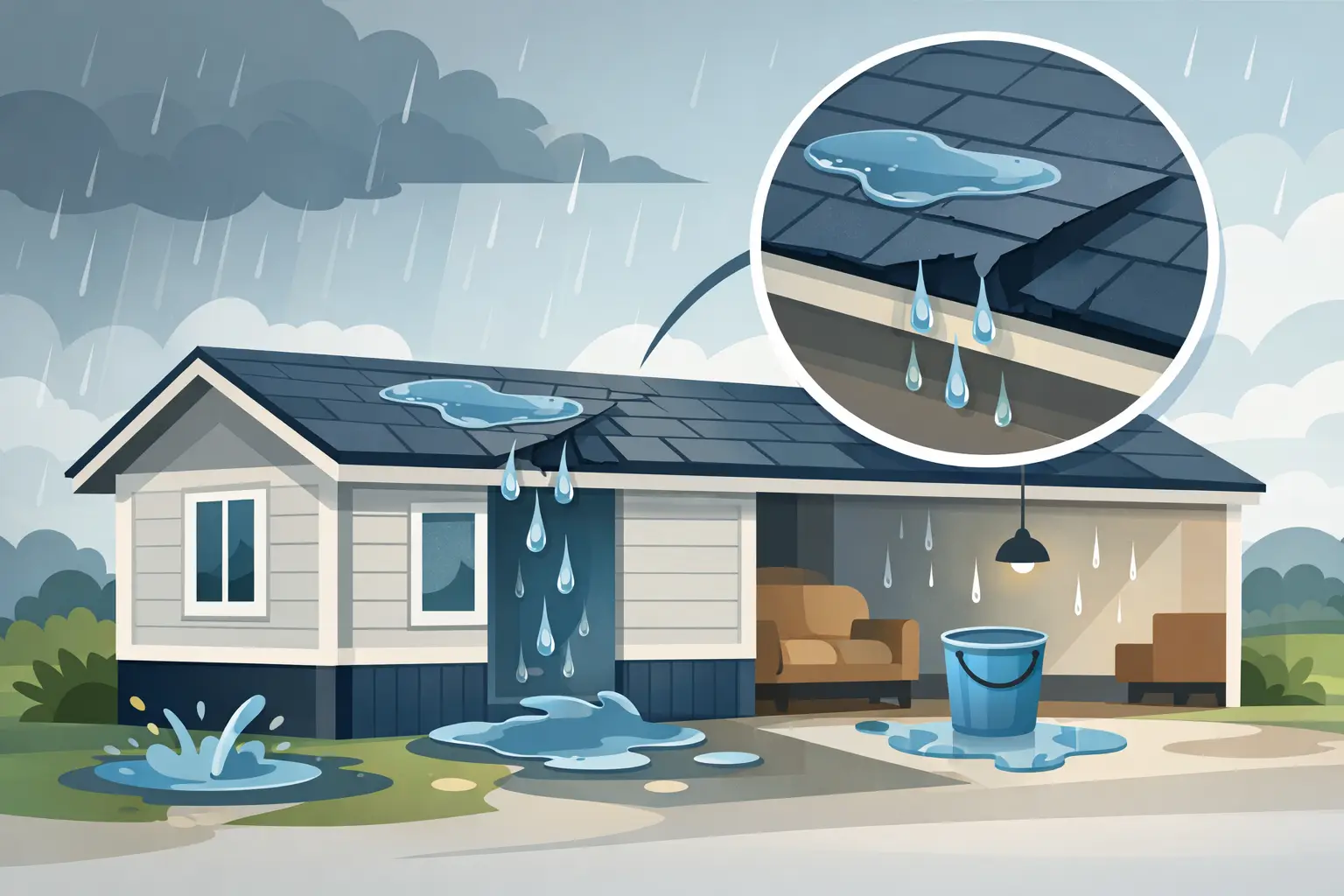
A mobile home roof can look fine from the ground and still let water in during the next hard rain. That is one reason homeowners often ask, why do mobile home roofs leak, especially in Florida where heat, humidity, wind, and heavy storms put roofing systems under constant stress.
The short answer is that leaks usually start where water finds a weak point. On mobile homes, that weak point is often a seam, a roof coating that has worn down, damaged flashing, aging fasteners, or low spots where water sits too long. The bigger issue is that manufactured and mobile home roofs are not built exactly like traditional site-built homes, so they need roofing materials and repair methods that match their structure.
Why do mobile home roofs leak more often than homeowners expect?
Many leaks begin small and stay hidden for months. By the time a ceiling stain appears, moisture may already have spread into insulation, decking, wall panels, or framing. That delay makes roof leaks feel sudden, even when the problem has been building for a long time.
Mobile home roofs are also more vulnerable when they have a flatter profile. Water drains more slowly on low-slope sections, and that creates more opportunity for standing water, surface wear, and seam failure. In Florida, frequent rain can turn a minor roofing flaw into an active interior leak much faster than homeowners expect.
Another factor is age. Many older mobile homes still have original metal roofs, rolled roofing, or outdated coatings that were never designed to perform forever. As those systems expand in the heat, cool overnight, and face years of storm exposure, small gaps can form around edges, penetrations, and joints.
The most common causes of mobile home roof leaks
Worn or failing roof seams
Seams are one of the first places to inspect. On many mobile home roofs, seams run along panels or sections where roofing materials meet. If sealant dries out, cracks, or pulls away, water can slip underneath the surface.
This is especially common after years of sun exposure. Florida UV rays are hard on roofing products, and once seam protection weakens, rain can move into the roof system quickly.
Damaged flashing around vents and edges
Flashing helps direct water away from roof openings and transitions. Around plumbing vents, exhaust points, skylights, and roof edges, flashing takes a lot of abuse from weather and movement.
If flashing lifts, rusts, loosens, or separates from the roof surface, leaks often follow. In some cases, the leak does not appear directly below the flashing. Water can travel before it shows inside, which makes the source harder to pinpoint without a proper inspection.
Ponding water on low-slope areas
Many mobile and manufactured homes have low-slope roofs, and low slope means drainage matters. If the roof has sagging sections or uneven support, water may collect instead of running off.
Standing water shortens the life of coatings and increases the chance of seepage through tiny cracks or weak seams. It also adds weight to the roof over time, which can make structural issues worse.
Roof coating failure
A roof coating can add protection, reflect heat, and extend roof life, but only when it is the right product and it is applied correctly. Older coatings often dry out, peel, blister, or wear thin.
Once that protective layer breaks down, the roof underneath is more exposed to sun, rain, and movement. Homeowners sometimes believe a coating is a permanent fix, but in reality it is part of a maintenance cycle. If the roof beneath it is already damaged, coating alone may not solve the problem.
Fastener problems and panel movement
Metal mobile home roofs often rely on fasteners to keep panels secure. Over time, those fasteners can back out, rust, or create tiny openings for water.
Thermal expansion is part of the issue. In Florida heat, metal expands. When temperatures drop, it contracts. That repeated movement can stress fasteners and joints until moisture starts getting in.
Storm damage and wind-driven rain
A roof does not need to lose a large section to develop a leak. High winds can lift edges, loosen flashing, or force rain into gaps that normally stay dry. Debris impact can also puncture roofing material or damage coating systems.
After tropical storms or severe summer weather, leaks may show up days later. That delay can make it easy to miss the connection between the storm and the damage.
Why leaks in mobile homes can be tricky to find
The spot where water enters is not always the spot where you see it inside. Water can travel along roof panels, insulation, rafters, or ceiling materials before it becomes visible. A stain near a wall might actually start closer to the center of the roof, or the reverse.
That is why a leak should never be judged by the ceiling mark alone. Surface patching in the wrong place may slow the problem for a short time, but it rarely fixes the real cause.
Mobile home construction also varies by age, roof style, and previous repairs. Some homes have roof-over systems installed on top of older roofing. Others have coatings layered over patched seams and older materials. That can make diagnosis more complicated and makes specialized experience especially valuable.
Warning signs your roof may be leaking
A visible drip is only one clue. More often, homeowners notice water stains on the ceiling, soft spots, bubbling paint, musty smells, warped panels, or discoloration along walls.
Outside, you may see cracked sealant, rusted metal, loose trim, sagging sections, or coating that looks chalky and thin. If your energy bills have climbed, roof moisture can also be part of the reason. Wet insulation does not perform the way it should.
If you notice one sign, it is worth taking seriously. Moisture damage tends to spread, and repair costs usually grow the longer the roof goes untreated.
Repair or replacement – what makes sense?
It depends on the age of the roof, the extent of the damage, and whether the leak is isolated or part of a larger pattern. A single failed seam or flashing issue may be a good repair candidate if the rest of the roof is in solid condition.
But if the roof has repeated leaks, widespread coating failure, soft decking, chronic ponding, or storm-related wear across multiple areas, replacement may be the more cost-effective path. Patching an aging roof over and over can look cheaper at first, but it often leads to more interior damage and more service calls.
For mobile and manufactured homes, the fit of the roofing system matters just as much as the material itself. A solution designed specifically for the dimensions and load requirements of the home will usually perform better than a generic approach.
How Florida weather makes roof leaks worse
Florida is hard on every roof, but mobile home roofing systems face a particular challenge because they often have less slope and more exposed seam areas. Heat accelerates material aging. Humidity keeps moisture in play. Sudden downpours test every weak point. Wind can turn a small edge issue into a bigger opening.
Salt air can also be part of the problem in coastal areas. Metal components and fasteners may corrode faster, especially if the roof has not been properly maintained.
That is why prevention matters. A roof that is checked regularly and repaired early stands a much better chance of holding up through storm season.
How to reduce the risk of future leaks
Regular inspections make a real difference, especially after strong storms. Catching cracked sealant, loose flashing, or drainage issues early is far less expensive than waiting for interior damage.
It also helps to avoid one-size-fits-all roofing work. Mobile homes, manufactured homes, and modular homes need roofing systems built for their structure, not borrowed from conventional residential roofing without adjustment. The right materials, the right fit, and the right installation method all affect long-term performance.
For homeowners who are seeing recurring problems, working with a specialist can save time and frustration. A company like Tropical Seal understands the roofing demands of mobile and manufactured homes and can recommend a repair or replacement option that fits the home instead of forcing a generic fix.
If your roof has started leaking, the best next step is not to wait for a bigger stain or a heavier storm. A small leak is often the early warning that your roof needs attention now, while the solution is still simpler and more affordable.