
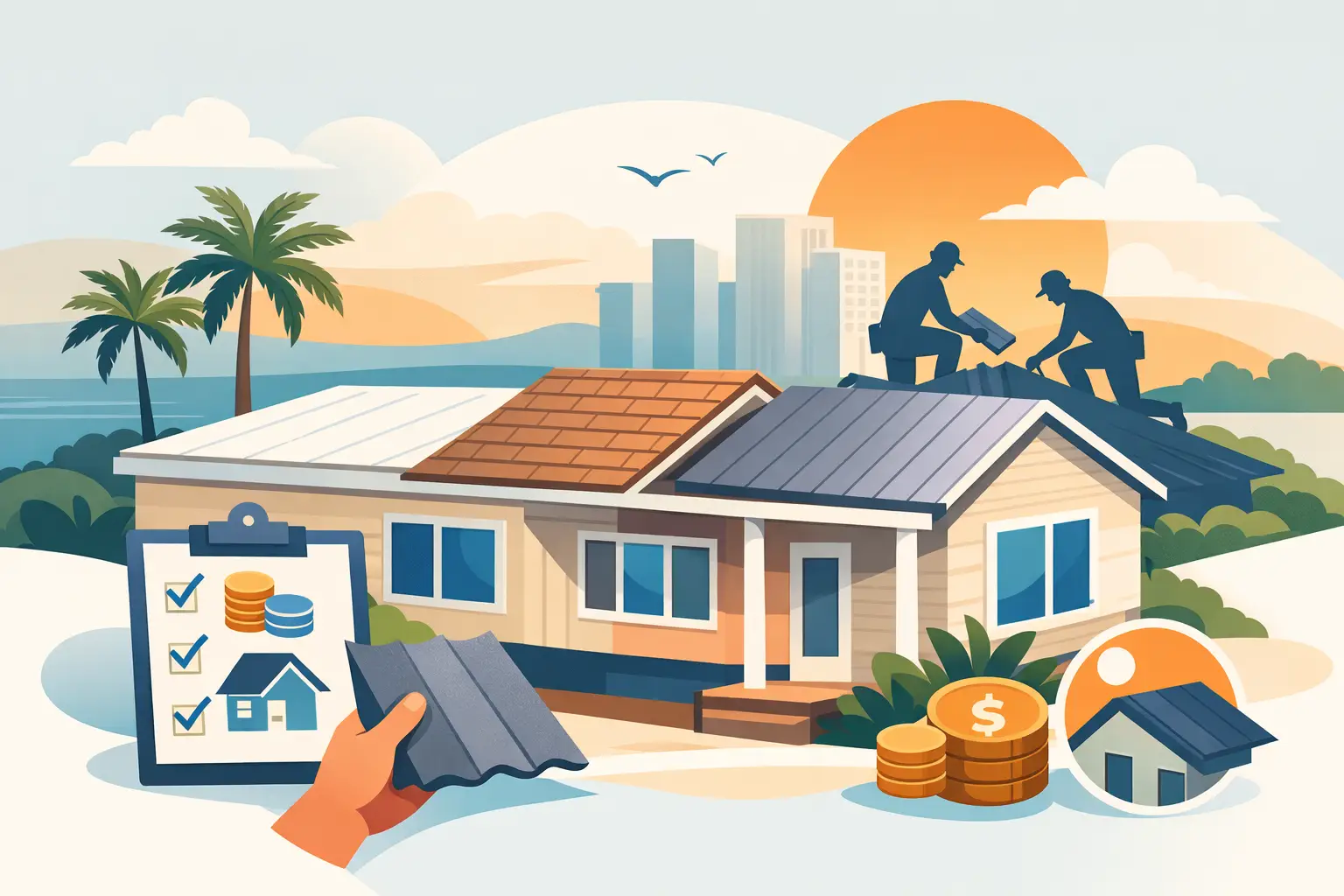
Florida Mobile Home Roof Costs Explained
A roof quote for a mobile home in Florida can swing by thousands of dollars, even when two homes look similar from the street. That is why understanding Florida mobile home roof costs starts with one simple fact – these homes need roofing systems designed for their structure, size, and exposure to heat, rain, wind, and storm season.
For many homeowners, the biggest mistake is assuming a mobile home roof should cost about the same as a roof on a traditional house. It usually does not. Mobile and manufactured homes often have lower slopes, different framing, unique dimensions, and attachment details that call for a more specialized approach. In Florida, where sun, humidity, heavy rain, and hurricane threats all matter, the roof system you choose can affect both the upfront price and the long-term value.
What affects Florida mobile home roof costs?
The first major factor is roof size. A single-wide mobile home will usually cost less to reroof than a double-wide because there is simply less surface area, fewer materials, and less labor involved. But size is only part of the story. Pitch, overhangs, penetrations, and whether the roof has previous layers that need removal can all change the final number.
Material selection is another big driver. Some homeowners are looking for the most affordable way to stop leaks and extend roof life. Others want a stronger upgrade built for better weather resistance and longer service. Metal roofing, insulated roof-over systems, elastomeric coatings, and membrane-based solutions all come with different price points. The right choice depends on the roof’s current condition, your budget, and how long you plan to stay in the home.
Condition matters more than many people expect. If a roof has active leaks, soft decking, rusted metal, damaged supports, or signs of water intrusion around vents and seams, the work becomes more than a simple replacement. Repairs to the substrate or structure can add cost, but they also protect you from paying for a new roof over hidden damage.
Location in Florida can affect pricing too. Coastal exposure, local permitting requirements, wind zone standards, and labor conditions vary by market. A roof installed in a high-wind area may require stricter fastening methods or different materials than a similar home farther inland.
Typical cost ranges for mobile home roofing in Florida
Florida mobile home roof costs often fall into a broad range because the work itself can vary so much. For a basic single-wide roof project, homeowners may see pricing start in the lower thousands for simpler coating or overlay solutions, while full replacement systems with upgraded materials can climb significantly higher. Double-wide homes generally cost more because of their larger footprint and added complexity.
In practical terms, many homeowners can expect a smaller repair-focused project or coating application to cost less than a full reroof. A complete roof replacement with tear-off, decking repairs, and higher-performance materials will be at the upper end. If insulation is added as part of a roof-over system, the price may rise upfront but provide better energy performance and comfort over time.
That is why broad online averages are only somewhat helpful. They can give you a rough budget starting point, but they rarely account for the details that make one mobile home roof straightforward and another much more involved.
Material choices and how they change the price
Metal roofing remains one of the most common options for mobile homes in Florida. It is durable, lightweight relative to many alternatives, and well suited for handling heavy rain and heat when installed correctly. Metal can cost more upfront than a basic coating, but many homeowners value its lifespan and weather performance.
Roof-over systems are also popular. These systems install a new protective roof layer over the existing roof structure in certain situations. They can be a smart option when the underlying roof is still suitable for support and the goal is to improve protection without a full tear-off. The cost depends on the materials used, whether insulation is included, and how much prep work is needed.
Elastomeric roof coatings can be a lower-cost option when the roof is structurally sound and the main issue is aging, minor leaks, or surface wear. Coatings can help seal and protect, but they are not a cure-all. If the roof has widespread damage beneath the surface, a coating may only delay a bigger repair.
Membrane systems can also be used on some manufactured and mobile homes, especially where a low-slope design benefits from a continuous waterproof layer. Pricing depends on the membrane type, installation method, and roof condition.
The trade-off is fairly simple. Lower-cost solutions can work well in the right conditions, but they are not always the best long-term value if the roof already has structural problems or if you want the strongest storm-ready upgrade possible.
Why labor and specialization matter
A mobile home roof is not just a smaller version of a standard residential roof. The measurements, support conditions, drainage patterns, and edge details often require a contractor who works with these homes regularly. That expertise can affect price, but it also affects fit, performance, and how long the roof holds up.
Specialized labor may cost more than a general handyman-style approach, but there is a reason many homeowners choose a contractor focused on manufactured and mobile home roofing. Poorly fitted materials, weak fastener patterns, and shortcuts around seams or flashing can lead to leaks, wind damage, and early failure. Saving money on the bid can become expensive if the roof has to be fixed again after the next major storm.
In Florida, code compliance and wind resistance are not small details. They are central to the job. A professionally designed and installed roof system should be built around the actual needs of the home and the climate.
Hidden costs homeowners should plan for
The roof itself is only part of the full project cost. Permits, tear-off and disposal, decking replacement, insulation upgrades, flashing work, and drainage adjustments can all add to the final number. Some homes also need fascia or trim repairs once the old roofing materials are removed.
This is not meant to alarm homeowners. It is simply why detailed quotes matter. A low estimate that leaves out prep work, repairs, or code-related items may not actually be the better deal. A more complete quote often gives a clearer picture of what the roof really needs.
Timing can matter as well. If you wait until a small leak becomes widespread water damage, repair costs usually rise. Addressing roof problems earlier often gives you more options and better control over your budget.
How to compare quotes the right way
When reviewing estimates, focus on scope before price. Ask what materials are being used, whether damaged decking is included, how penetrations and seams will be sealed, and what warranty coverage comes with the work. Two quotes that look far apart may not be offering the same level of protection.
It also helps to ask whether the proposed system is intended as a repair, a restoration, or a full replacement. That distinction matters. A lower-cost fix may be the right move if the roof still has solid structure and plenty of life left. But if the roof is near failure, a patch-oriented approach may only postpone the inevitable.
Homeowners should also pay attention to whether the contractor understands mobile home construction specifically. The best roof for a site-built house is not automatically the best roof for a manufactured home in Florida.
Is the cheapest option ever the best one?
Sometimes, yes. If the roof is in decent condition and the problem is limited, a lower-cost repair or coating may be a smart and responsible choice. Not every home needs a premium full replacement right away.
But the cheapest option is only the best one when it matches the roof’s actual condition. If there are signs of trapped moisture, recurring leaks, storm wear, or structural weakness, going too cheap can shorten the roof’s life and increase future repair bills. Good roofing decisions are rarely about the lowest number alone. They are about cost relative to protection, lifespan, and peace of mind.
For homeowners who want a tailored solution, working with a specialist like Tropical Seal can make the estimate process much clearer because the recommendations are based on the structure and performance needs of mobile and manufactured homes, not generic roofing assumptions.
A smarter way to budget for mobile home roofing
Start with a realistic goal. If you need a short-term repair to buy time, say that. If you want a long-term roof system that can better handle Florida weather, say that too. The more clearly you define your priorities, the easier it is to compare options honestly.
It also helps to think beyond the install price. A roof that lasts longer, fits correctly, resists leaks, and improves energy performance may cost more today but less over the years you own the home. That is often the real question behind Florida mobile home roof costs – not just what you pay now, but what you avoid paying later.
The best next step is not guessing from online averages. It is getting a detailed quote built around your home’s size, condition, and roofing goals so you can make a decision with confidence instead of crossing your fingers.