
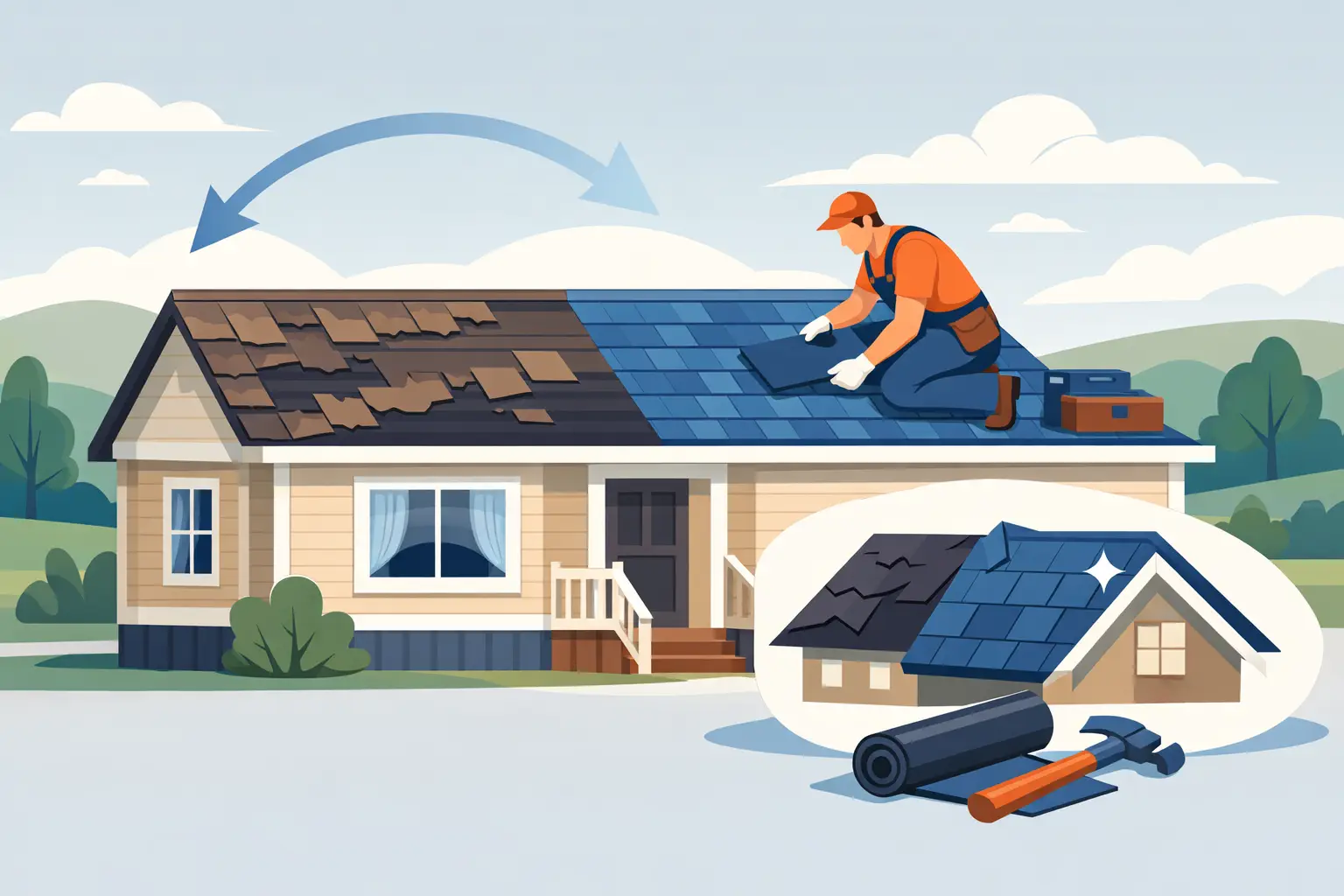
Can Manufactured Home Roofs Be Replaced?
A stained ceiling after a Florida downpour usually leads to the same question: can manufactured home roofs be replaced? Yes, they can – and in many cases, replacement is the smartest long-term fix when leaks, storm wear, rust, or aging materials start putting the home at risk.
The key is understanding that a manufactured home roof is not a standard residential roof. These homes have different spans, load limits, fastening requirements, and drainage patterns. A good result depends on choosing a roofing system that fits the structure properly instead of forcing a one-size-fits-all solution.
Can manufactured home roofs be replaced without replacing the whole home?
Absolutely. A roof replacement is a separate project from replacing the home itself, and it is common for manufactured homeowners to upgrade the roof while keeping the existing structure. In fact, many older homes gain years of added service life from a properly designed new roof system.
That said, the answer is not always as simple as removing old materials and putting on new ones. The roof deck, framing, insulation, and any damaged sections underneath may need repair before the new system goes on. If leaks have been active for a while, there can be hidden wood rot, soft spots, or moisture trapped in the assembly.
This is why inspection matters first. A specialist needs to evaluate not just the visible roof surface, but also how the roof is performing as part of the whole home envelope.
When roof replacement makes more sense than repair
Some manufactured home roofs are good candidates for targeted repairs. A loose fastener, a small puncture, or a localized seam issue can often be fixed without replacing the entire system. But there is a point where continued patching stops being cost-effective.
If the roof leaks in multiple areas, has recurring problems after repairs, shows widespread rust or membrane failure, or is reaching the end of its service life, replacement is usually the better investment. The same is true when storm exposure has weakened the roof enough that future repairs would only be temporary.
For Florida homeowners, age and weather history matter a lot. Heat, UV exposure, heavy rain, humidity, and wind all shorten the life of roofing materials. Even if a roof still looks passable from the ground, years of weather stress may have already reduced its ability to protect the home during the next major storm.
What types of roof replacement options are available?
Manufactured home roof replacement is not a single product category. The right option depends on the home’s design, roof shape, current condition, and budget.
In some cases, the old roof can be removed and replaced with a new system built directly onto the existing structure. In other cases, a roof-over system is used, where a new roofing assembly is installed over the current roof. This can be a practical option when the existing structure is stable and the new system is engineered for the home.
Common materials include metal roofing systems and specialized membrane or insulated systems designed for manufactured homes. Metal is popular because it handles Florida weather well, sheds water efficiently, and offers strong long-term value. Insulated systems can also help with indoor comfort and energy performance, which matters in a hot climate.
The best choice depends on trade-offs. Metal can be highly durable and long-lasting, but installation needs to be precise to avoid noise, uplift issues, or poor edge detailing. Roof-over systems can reduce disruption and improve protection, but they are not right for every home, especially if structural problems already exist underneath.
Why manufactured homes need a specialist
This is where many homeowners run into trouble. A general roofer may be very capable on site-built homes and still miss critical details on a manufactured home. These roofs often have lower slopes, unique framing layouts, lighter structural components, and dimensions that require custom fitting.
Flashing details, attachment methods, and weight considerations all matter. Put the wrong roofing system on the wrong structure, and the problems can show up fast – leaks around penetrations, drainage issues, movement at seams, or added stress on the home.
A specialist works backward from the structure, not just the surface. That means looking at how the roof handles wind, how water exits the system, how materials interact in Florida humidity, and how to create a dependable fit that supports long-term performance.
Signs your manufactured home roof may need replacement
Some warning signs are obvious, while others are easy to overlook until damage spreads. If you notice interior stains, peeling ceiling panels, musty odors, bubbling materials, visible rust, sagging sections, or repeated leaks, the roof deserves immediate attention.
High energy bills can also be part of the picture. An aging roof with poor insulation or compromised seams can allow heat and moisture to affect indoor comfort more than homeowners realize. You may not think of a roof problem as an efficiency problem, but in Florida, they often go together.
Another common issue is previous patchwork. If your roof has already been coated, sealed, patched, and repaired several times, it may no longer be giving you reliable protection. At that stage, replacement is often more affordable over time than continuing to chase one leak after another.
What happens during a manufactured home roof replacement?
The process starts with an inspection and a plan. The contractor should confirm the home’s roof type, measure carefully, identify any structural concerns, and recommend a system that fits the home’s needs and local weather demands.
From there, preparation may involve removing damaged materials, addressing soft decking or framing repairs, and getting the surface ready for the new roof system. The exact steps vary depending on whether the project is a full tear-off replacement or a roof-over installation.
Then comes the installation itself – panels or membrane, flashing, edge details, sealants, fasteners, and any insulation or drainage components required for the design. On manufactured homes, precision is not a nice extra. It is what makes the difference between a roof that performs and one that becomes a source of callbacks.
After installation, the roof should be checked for fit, finish, sealing, and overall water-shedding performance. Homeowners should also understand the expected maintenance needs, warranty coverage, and any signs that would call for future service.
Cost depends on more than roof size
Many homeowners want a quick price, which is understandable. But with manufactured home roofing, the real cost depends on several factors: the current roof condition, whether structural repairs are needed, the material selected, the complexity of the home’s layout, and how much custom fabrication is involved.
A lower quote is not always the better value. If a contractor skips structural checks, uses materials not suited to the home, or installs a system without proper detailing, a cheap roof can become an expensive problem.
Fair pricing means the roof is matched to the home and installed to last. For most homeowners, that is more important than getting the lowest number on paper.
Florida weather raises the stakes
Manufactured homes in Florida need roofing systems that can stand up to intense sun, wind-driven rain, tropical storms, and long periods of humidity. That makes material quality and installation quality equally important.
A roof that might perform adequately in a milder climate can fail much sooner here. Fastener integrity, water management, reflective performance, and resistance to corrosion all matter. So does the way the system is secured to the structure.
This is one reason many homeowners choose a company that focuses specifically on manufactured and mobile home roofing rather than treating it as a side service. Specialists understand that the roof is not just a cover. It is a protection system built around a very specific kind of home.
How to know if now is the right time
If your roof is already leaking, the time to inspect it is now. Waiting rarely makes the job smaller. Water intrusion tends to spread, and what starts as a roof issue can lead to insulation damage, ceiling damage, and structural repairs.
If your roof is older but not actively leaking, replacement may still be worth considering before the next storm season puts it to the test. Planning ahead usually gives you more choices, less stress, and a better chance to schedule the work before emergency demand spikes.
For homeowners who want dependable answers, a professional inspection is the best first step. A company like Tropical Seal can evaluate whether repair, restoration, or full replacement makes the most sense for your manufactured home and your budget.
A roof replacement is a major decision, but it can also be a turning point. The right system gives your home stronger protection, better performance, and one less thing to worry about when the next Florida storm rolls in.