
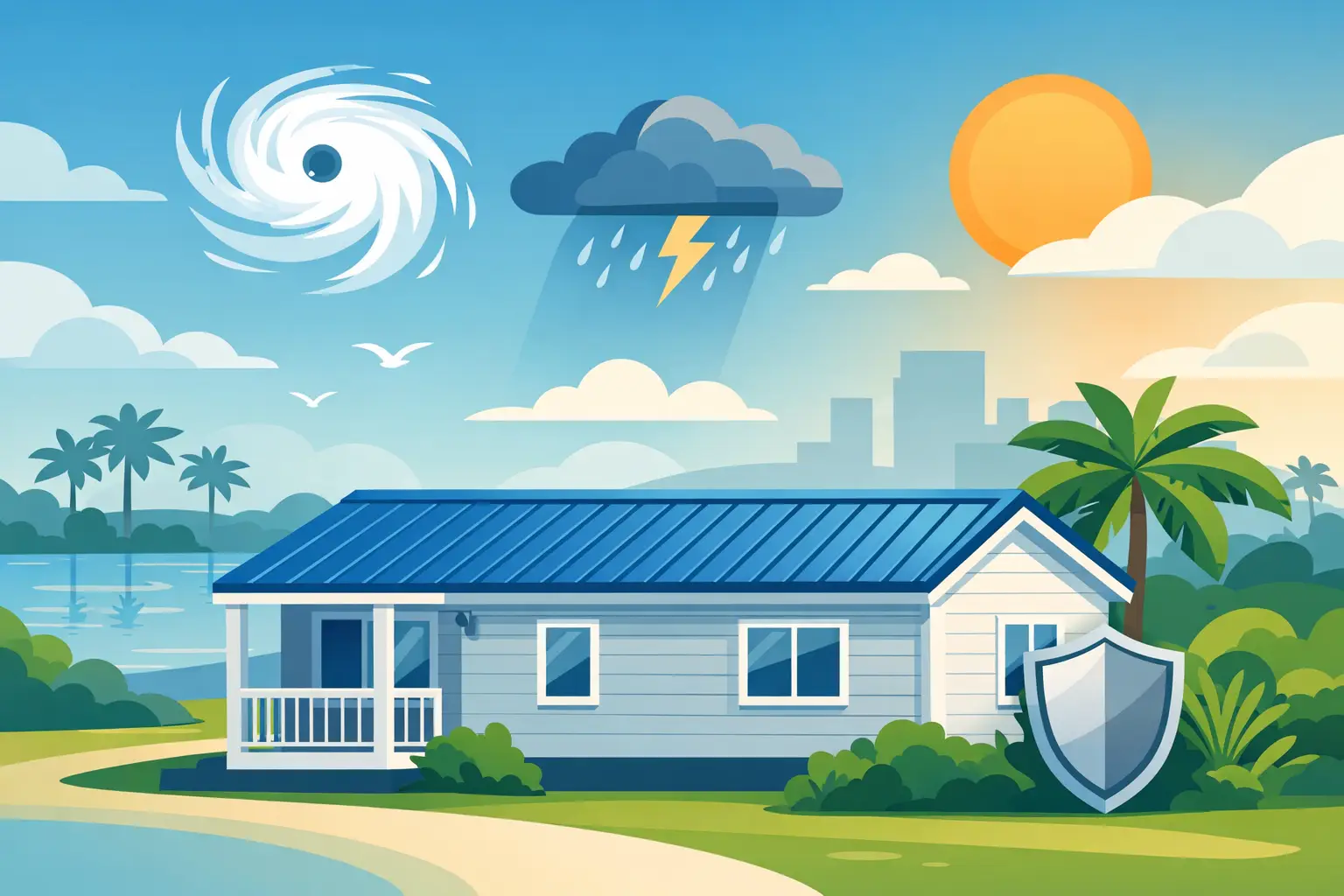
Mobile Home Metal Roof Review for Florida
A worn-out mobile home roof usually gives you plenty of warning – stains on the ceiling, soft spots, rising cooling bills, or that sinking feeling after every hard Florida storm. A mobile home metal roof review matters because this is not just a style upgrade. It is a decision about long-term protection, energy performance, and whether the roof system is actually built for the structure sitting underneath it.
For many Florida homeowners, metal roofing is one of the strongest options available for manufactured homes, modular homes, and trailer homes. Still, it is not automatically the right choice in every situation. The real question is not whether metal is good in general. It is whether the system is properly designed for your home, installed with the right fit, and worth the investment for your budget and goals.
Mobile home metal roof review: what stands out
The biggest advantage of a metal roof on a mobile home is durability. Compared with older flat or low-grade roof materials, metal holds up far better against sun exposure, heavy rain, and repeated storm seasons. In Florida, that matters. Roof systems here do not fail only because they get old. They fail because constant UV exposure, humidity, wind, and water work on them year after year.
A properly installed metal roof can also improve energy efficiency. Reflective finishes help reduce heat absorption, which may ease the strain on your cooling system during long summers. Homeowners often notice that the home feels more stable in temperature, especially in older units that struggle with insulation and heat gain.
Another major benefit is lower maintenance. Metal roofs do not eliminate maintenance, but they usually reduce the frequency of patching, coating, and leak chasing that comes with aging mobile home roof systems. That can save money over time and reduce the stress that comes with every rainy season.
The trade-off is upfront cost. A metal roof typically costs more than temporary repairs or lower-end replacement materials. If your goal is the cheapest possible short-term fix, metal may not be it. If your goal is dependable long-term protection, the value looks much stronger.
Why mobile homes need a different roofing approach
This is where many homeowners get bad results. A mobile home is not a standard site-built house, and the roof should not be treated like one. The dimensions, structural support, pitch, overhang requirements, and fastening approach can all differ. A roofing system that works well on a conventional home may be a poor fit on a manufactured structure.
That is why the quality of the installation matters as much as the material itself. Even a strong metal panel can underperform if it is attached incorrectly, flashed poorly, or forced onto a roof design it was not meant to cover. A proper system should account for drainage, attachment strength, edge details, and weather resistance specific to mobile and manufactured homes.
In a state like Florida, fit is everything. Wind-driven rain can find weak points fast. If the trim, seams, or penetrations are not handled correctly, the roof can still leak even if the panels themselves are in good shape.
Performance in Florida weather
Florida is one of the toughest tests for any roof. Heat is constant. Rain can be intense. Hurricane season brings added pressure, especially for homeowners in exposed areas or older communities.
Metal roofs generally perform well in these conditions when they are engineered and installed correctly. They resist rot, shed water efficiently, and handle sun better than many traditional materials used on older mobile homes. They can also be part of a stronger overall roofing system that improves storm readiness.
But there is an important detail here: not all metal roofs are equal. Panel thickness, coating quality, fastening method, underlayment, and edge securement all affect real-world performance. A bargain system may look fine at first and still become a problem under high wind or years of thermal movement.
The pros in a real-world review
If you are looking at this as a homeowner rather than a roofing expert, the main positives are practical. A metal roof can last longer, require fewer repairs, and offer better protection than many aging mobile home roof systems. It can also improve curb appeal and help the home feel more solid and cared for.
There is also peace of mind. Many homeowners are tired of paying for one patch after another. They want to stop worrying every time a storm rolls in. A well-built metal roof can help shift the conversation from constant repairs to long-term reliability.
For retirees and working families alike, predictability matters. When the roof is dependable, budgeting gets easier. You are less likely to face surprise interior damage from recurring leaks, and you may avoid the cycle of temporary fixes that never fully solve the underlying problem.
The cons and limitations to know before you decide
A fair mobile home metal roof review should also cover where people get disappointed. First, metal is not magic. If the roof deck underneath has damage, or if the home has structural issues, those problems must be addressed. Installing metal over unresolved deterioration only hides the issue for a while.
Second, noise concerns come up often. In reality, a properly installed metal roof system with solid underlayment is usually not the harsh, noisy surface people imagine. Still, sound can vary depending on the system used and the construction of the home.
Third, appearance can be a factor. Some homeowners love the clean, crisp look of metal. Others prefer a more traditional residential style. This is subjective, but it matters because the roof changes the look of the entire home.
Finally, the price can feel steep if you are comparing it to a quick repair rather than a full replacement. The better comparison is long-term cost. A cheaper roof that needs frequent maintenance can end up costing more over time.
What makes a good metal roof system for a mobile home
The best metal roof is not simply the cheapest panel or the most advertised brand. It is the one that fits your home correctly and is installed by a contractor who understands manufactured housing. That means attention to measurements, drainage, roof shape, fastening patterns, trim work, and local weather demands.
A good system should include quality panels, proper underlayment, strong flashing around vents and seams, and an installation plan that respects the home’s structure. It should also be designed to manage Florida rain and wind, not just cover the old roof and hope for the best.
This is where working with a specialist makes a difference. Companies that regularly install roofs on mobile and manufactured homes are more likely to understand the details that general roofers miss. Tropical Seal is built around that specialist approach, which is exactly what many Florida homeowners need when the roof over their home is too important for guesswork.
Is a roof-over or full replacement better?
It depends on the condition of the existing roof. In some cases, a metal roof-over system can provide excellent protection and extend the life of the home without a complete tear-off. In other cases, underlying damage or installation issues make a full replacement the smarter path.
This is not a decision to make based on price alone. If the old roof has hidden moisture damage, sagging areas, or long-term leak history, a full inspection matters. The right answer is the one that protects the home for years, not just the one that lowers today’s invoice.
Final verdict in this mobile home metal roof review
For many Florida homeowners, a metal roof is one of the best upgrades you can make to a mobile home. It offers strong durability, better weather resistance, lower maintenance, and solid long-term value. Those benefits are especially meaningful in a climate that punishes weaker roofing materials.
Still, the outcome depends on fit and workmanship. A quality metal roof installed by a contractor who understands mobile and manufactured homes can be a smart investment. A poorly planned job can create expensive problems even with good materials.
If your current roof is aging, leaking, or struggling through storm season, the best next step is not guessing. It is getting a clear evaluation from a specialist who can tell you what your home actually needs and what kind of system will protect it well for the long haul.