
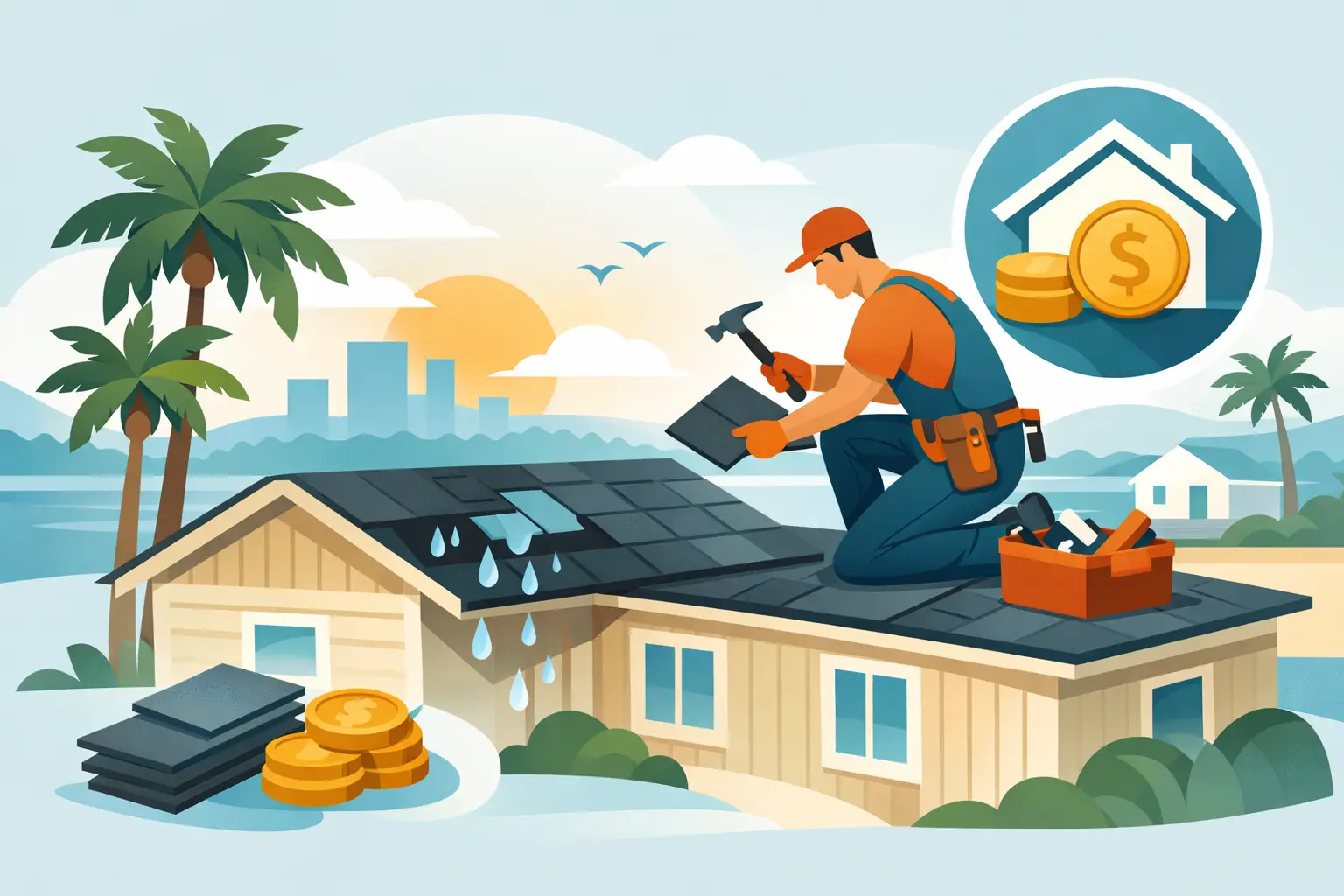
Mobile Roof Repair Costs in Florida
A small roof leak rarely stays small for long in Florida. One afternoon storm, a little wind-driven rain, and what looked like a minor stain can turn into soft decking, interior damage, and a much bigger bill. That is why understanding mobile roof repair costs matters early – before a simple fix becomes a structural problem.
For mobile, manufactured, and modular homes, roof pricing is not always as straightforward as homeowners expect. These homes have different roof shapes, support systems, attachment methods, and material needs than many site-built houses. A contractor who treats them the same may miss the real issue or recommend a repair that does not hold up in heat, rain, and high winds.
In Florida, most roof repair costs come down to five things: the type of damage, the size of the affected area, the roofing material, how much moisture has gotten underneath, and whether the repair is extending the roof’s life or delaying a full replacement. The right answer is not always the cheapest one. It is the one that protects the home for the longest time at a fair cost.
What affects mobile roof repair costs?
The first cost factor is the kind of roof on the home. Metal roofs, single-ply membranes, coated roofs, and older rolled roofing systems each call for different repair methods. A small puncture in a membrane roof may be patched and sealed relatively quickly. A metal roof with rusted fasteners, lifted seams, or panel damage may need more labor and more material to restore properly.
The second factor is how far the damage has spread. A visible leak inside the home does not always mean the damage is directly above that spot. Water can travel along roof panels, insulation, decking, or framing before it appears indoors. What starts as a basic leak repair can become a larger project if hidden moisture is found under the roof surface.
Roof access also affects price. Some homes are easier to work on than others, while certain community layouts, additions, skirting configurations, or attached structures can make setup and repair more time-intensive. If a contractor needs to remove and replace sections carefully around vents, edges, carports, or tie-ins, labor costs can rise.
Then there is timing. Repairs done soon after damage appears are usually more affordable than repairs delayed for months. Florida humidity and repeated storms speed up deterioration. Once the roof deck softens or mold begins to develop, the work shifts from surface repair to restoration.
Typical mobile roof repair costs by repair type
Most homeowners want a price range, and that is reasonable. The challenge is that mobile roof repair costs vary based on the roof system and condition, not just the leak itself.
Minor repairs often fall at the lower end of the range. These can include sealing small penetrations, replacing a few fasteners, patching a localized problem area, or addressing flashing around vents and edges. If the damage is truly isolated and caught early, the cost may stay manageable.
Moderate repairs usually involve a larger section of roofing material, more detailed sealing work, or correction of moisture-related issues beneath the top layer. This is common when a leak has been active long enough to affect underlayment, insulation, or decking in one area. The repair becomes less about stopping water today and more about making sure the same area does not fail again next season.
Higher repair costs tend to show up when the roof has widespread wear. Multiple leaks, recurring patch jobs, storm damage, sagging spots, rusted metal sections, or failing seams across the roof surface often mean a more extensive repair or restoration approach is needed. At that point, homeowners should compare the repair cost to the value of a roof coating system, retrofit, or full replacement.
As a rough guide, smaller repairs may run a few hundred dollars, while moderate repairs can move into the upper hundreds or low thousands. Large-scale repairs or structural correction can cost significantly more. Exact pricing depends on what is found after inspection.
Why Florida homes often cost more to repair
Florida roofing is not just about rain. It is about heat, UV exposure, salt air in many areas, tropical weather, and sudden wind events. These conditions wear roofing materials faster and expose weak points that might not be a major issue in milder climates.
Mobile and manufactured homes are especially vulnerable when roofing systems are older, improperly fitted, or repaired with generic materials. Even a decent-looking roof can have seams, edges, and fastener points that are close to failure after years of expansion and contraction. A proper repair in Florida has to account for weather resistance, not just appearance.
That is one reason specialist contractors are so important. A repair that matches the home’s structure and roofing system correctly is more likely to hold up through the next storm cycle. Tropical Seal focuses on these home types because the fit, materials, and installation details matter more than many homeowners realize.
Repair or replace: when costs start to shift
There is a point where continuing to repair an aging roof stops making financial sense. If the roof has repeated leaks, visible deterioration across multiple sections, or signs of trapped moisture beneath the surface, another patch may only buy a little time.
A good contractor should be honest about that. Sometimes a repair is the smart move, especially when damage is recent and contained. Other times, the more cost-effective choice is a restoration system or replacement that resets the roof’s lifespan and reduces the risk of interior damage, emergency calls, and repeat labor charges.
This is where homeowners should think past the invoice amount. A lower repair price is not always lower ownership cost. If a cheap fix fails in six months, the total cost goes up fast.
How to keep roof repair costs from climbing
The best way to control mobile roof repair costs is to address problems early. Small warning signs matter: ceiling stains, musty odors, loose trim, bubbling roof coatings, rust streaks, or soft spots near seams and penetrations. These do not always mean major damage, but they do mean the roof needs attention.
Regular inspections help, especially after strong storms or hurricane-season weather. A professional inspection can catch lifting seams, loose flashing, punctures, and coating wear before water gets below the surface. That kind of preventive care is usually far less expensive than repairing wet decking or interior ceilings.
It also helps to avoid one-size-fits-all solutions. Mobile home roofs need materials and repair methods suited to their design. Using the wrong sealant, patching method, or fastener pattern can create a short-term fix that fails under Florida conditions.
Questions to ask before approving a repair
Before hiring a contractor, homeowners should understand exactly what is included in the price. Ask whether the estimate covers just the visible issue or any damaged material found underneath. Ask what roofing materials will be used, how the repair ties into the existing roof, and whether the contractor sees signs that a larger solution may soon be needed.
It is also worth asking how the repair is designed to perform in Florida weather. That answer tells you a lot about the contractor’s experience. A specialist should be able to explain how the repair handles water intrusion, sun exposure, and wind stress on a mobile or manufactured home roof.
The goal is not just to get a number. It is to get confidence that the work fits the home and protects it for the long term.
What a fair estimate should give you
A fair estimate should feel clear, not confusing. It should explain the condition of the roof, the recommended scope of work, the materials involved, and whether the repair is expected to be a short-term correction or a longer-term solution. Homeowners deserve direct answers, especially when they are balancing budget concerns with the need to protect their property.
The lowest quote is not always the best value, and the highest quote is not automatically the most thorough. What matters is whether the contractor understands these homes, prices the work fairly, and recommends the right level of repair for the roof’s actual condition.
If you are noticing leaks, storm damage, or signs of roof wear, the best next step is a professional inspection. Getting clear answers now can save you from bigger repairs later and help you make a decision that protects both your home and your budget.