
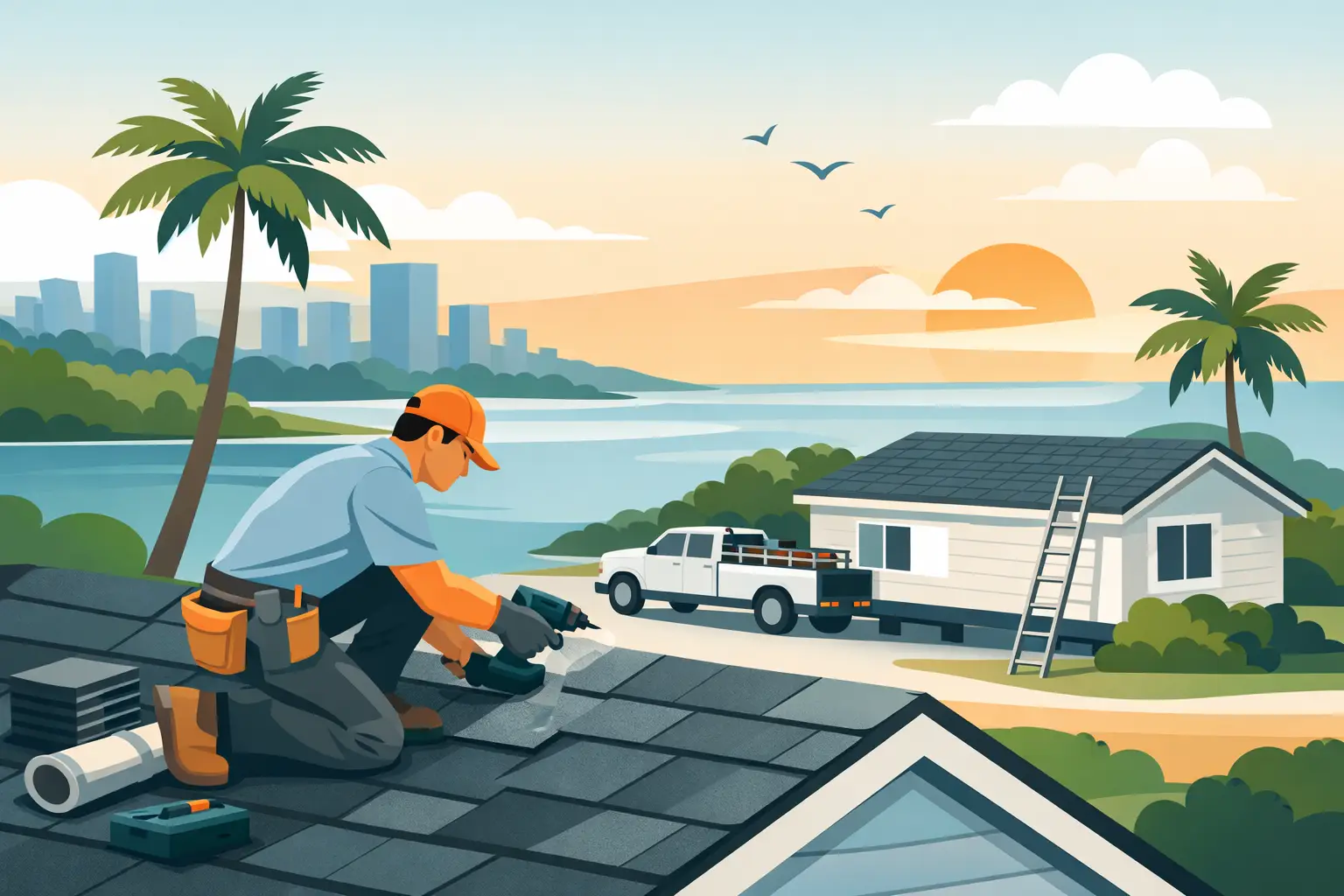
Guide to Florida Mobile Roofing
A mobile home roof in Florida does not get an easy life. Heat, humidity, wind, pounding rain, salt air in coastal areas, and years of sun exposure can wear down materials faster than many homeowners expect. That is why a guide to Florida mobile roofing needs to start with one simple point: these homes require roofing systems built for their structure, not generic solutions borrowed from standard houses.
Mobile homes, manufactured homes, modular homes, and trailer homes each have their own roof dimensions, load considerations, and installation needs. A roof that looks acceptable at first can still fail early if the fit is off, the materials are wrong for Florida weather, or the installer does not understand how these structures perform over time. For homeowners, that can mean recurring leaks, insulation problems, rising energy bills, and costly repairs that never seem to fully solve the issue.
What makes Florida mobile roofing different
Florida puts every roof under pressure, but mobile and manufactured homes face a more specific set of demands. Many of these homes have lower-slope roof designs, lighter structural systems, and dimensions that do not match conventional residential roofing assumptions. That changes how water sheds, how wind uplift affects panels or membranes, and how important a precise fit becomes.
A standard roofing approach can miss those details. On a site-built home, a contractor may have more flexibility in framing, decking, and material selection. On a mobile or manufactured home, the roof system needs to work with the structure that is already there. If the material is too heavy, if seams are poorly placed, or if drainage is not handled correctly, the roof may age fast even if the installation looked fine on day one.
Florida weather makes those mistakes more expensive. Heavy rain can find weak points quickly. High winds can exploit loose edges and bad fastening patterns. Long sun exposure can dry out or break down lower-grade materials. In many cases, the real issue is not just age. It is a roof system that was never designed specifically for the home.
Guide to Florida mobile roofing materials and systems
The right material depends on the home, the current roof condition, the budget, and the level of protection a homeowner wants. There is no single best option for every property, which is why good roofing decisions usually start with inspection, measurements, and a clear understanding of how the home is built.
For many Florida mobile homes, metal roofing remains a strong option because it is durable, resists weather well, and can provide long-term value. Properly installed metal systems can hold up well against heat and rain, and they often appeal to homeowners who want a longer-lasting upgrade. Still, metal is not automatically the right answer in every case. Installation quality matters a great deal, and a poor fit around edges, seams, or penetrations can create leak paths.
Roof-over systems are another common choice for mobile and manufactured homes. These systems can improve protection and extend the life of an existing roof when the underlying structure is still suitable. They can also help with insulation and energy performance, depending on the design. The trade-off is that not every aging roof is a good candidate. If there is hidden water damage, structural weakness, or long-term rot, covering the problem is not the same as fixing it.
Single-ply and specialty membrane systems can also make sense in certain applications, especially on lower-slope roofs where water management is critical. These systems need careful installation and the right product for the climate. A membrane that performs well in another state may not deliver the same value in Florida if it is not chosen with heat, storms, and UV exposure in mind.
Signs your mobile home roof needs attention
Some roofing problems are obvious, but many start quietly. A stain on the ceiling, a soft spot, or a musty smell may seem minor until the damage spreads into insulation, decking, or interior finishes. By the time leaks become constant, the repair may be larger than the original issue.
Homeowners should pay attention to recurring leaks, rusted or loose panels, cracked sealants, bubbling or lifted sections, sagging areas, and visible signs of water intrusion around vents or seams. Higher cooling costs can also be a clue. When a roof system is aging or failing, it may allow more heat into the home or reduce insulation performance.
After a storm, even if there is no immediate leak, it is smart to have the roof checked if wind or debris was significant. Florida storms do not always leave dramatic damage behind. Sometimes they create small points of failure that grow worse over the next rainy season.
Repair or replacement depends on the real condition
This is where homeowners often need honest guidance. A small, isolated problem may only require repair if the roof is otherwise in good shape. Refastening loose areas, sealing penetrations, replacing damaged sections, or addressing localized leaks can be cost-effective when the system still has useful life left.
But repeated repairs on an aging roof can become more expensive than replacement. If leaks keep returning, if corrosion is widespread, or if the roof was installed poorly to begin with, patchwork fixes may only delay a bigger problem. Replacement is a larger investment up front, but it often gives better long-term protection and fewer surprise costs.
The right decision depends on age, material condition, structural soundness, and how long the homeowner plans to stay in the property. For some families, extending the life of the current roof makes sense. For others, especially those who want stronger storm protection and fewer maintenance worries, replacement is the smarter move.
Why custom fit matters so much
One of the biggest mistakes in Florida mobile roofing is treating these homes as if any off-the-shelf system will do. Precise measurements, correct edge details, and material selection based on the home’s design all matter. Small errors in fit can lead to water entry, wind vulnerability, and premature wear.
That is why specialist experience matters. A contractor who regularly works on mobile, modular, and manufactured homes is more likely to account for the details that affect performance. They understand the importance of matching the roof system to the home’s dimensions, slope, structural limitations, and exposure conditions.
This also affects cost. Homeowners may receive a lower quote from a general roofer, but a lower number does not always mean better value. If the system is not designed correctly, the roof can cost more over time in repairs, energy loss, and shortened lifespan. Fair pricing matters, but fair pricing should still include the right materials, workmanship, and fit for the home.
Choosing a Florida mobile roofing contractor
A good contractor should be able to explain what your roof needs in plain language. You should hear specific reasons for the recommended system, what condition the current roof is in, what trade-offs exist between repair and replacement, and what level of durability you can reasonably expect.
It also helps to work with a company that focuses on these housing types rather than treating them as a side service. Mobile and manufactured homes are not niche projects in Florida. They are homes that deserve roofing systems built for long-term protection. A specialist is more likely to recognize the issues that general roofers overlook.
Look for clear communication, a detailed quote, and a practical explanation of materials and installation methods. If a contractor rushes to offer a one-size-fits-all answer without careful inspection, that is usually a warning sign. The best roofing recommendations are based on the actual property, not assumptions.
For homeowners who want a dependable, tailored approach, companies like Tropical Seal stand out by focusing on the structural and weather demands unique to mobile and manufactured homes.
What to expect from the roofing process
The process should feel straightforward. It begins with inspection and measurements, followed by a recommendation that fits the home’s condition and the homeowner’s priorities. Some customers are looking for the most affordable solution that still protects the home well. Others want a longer-term upgrade with stronger durability and less maintenance. Both are valid goals, but they may lead to different recommendations.
Once the scope is clear, the installation should be handled with attention to fit, fastening, sealing, drainage, and weather resistance. On these homes, details matter. A roof is not just a cover overhead. It is a protection system that has to handle Florida conditions year after year.
A well-chosen roof can improve more than leak resistance. It can support comfort, reduce stress during storm season, and help protect the value of the home. That peace of mind is often what homeowners are really buying.
If your roof is aging, leaking, or simply not giving you confidence anymore, the best next step is to get a professional assessment from a contractor who understands exactly how Florida mobile homes need to be protected.