
Can Modular Roofs Handle Hurricanes in Florida?
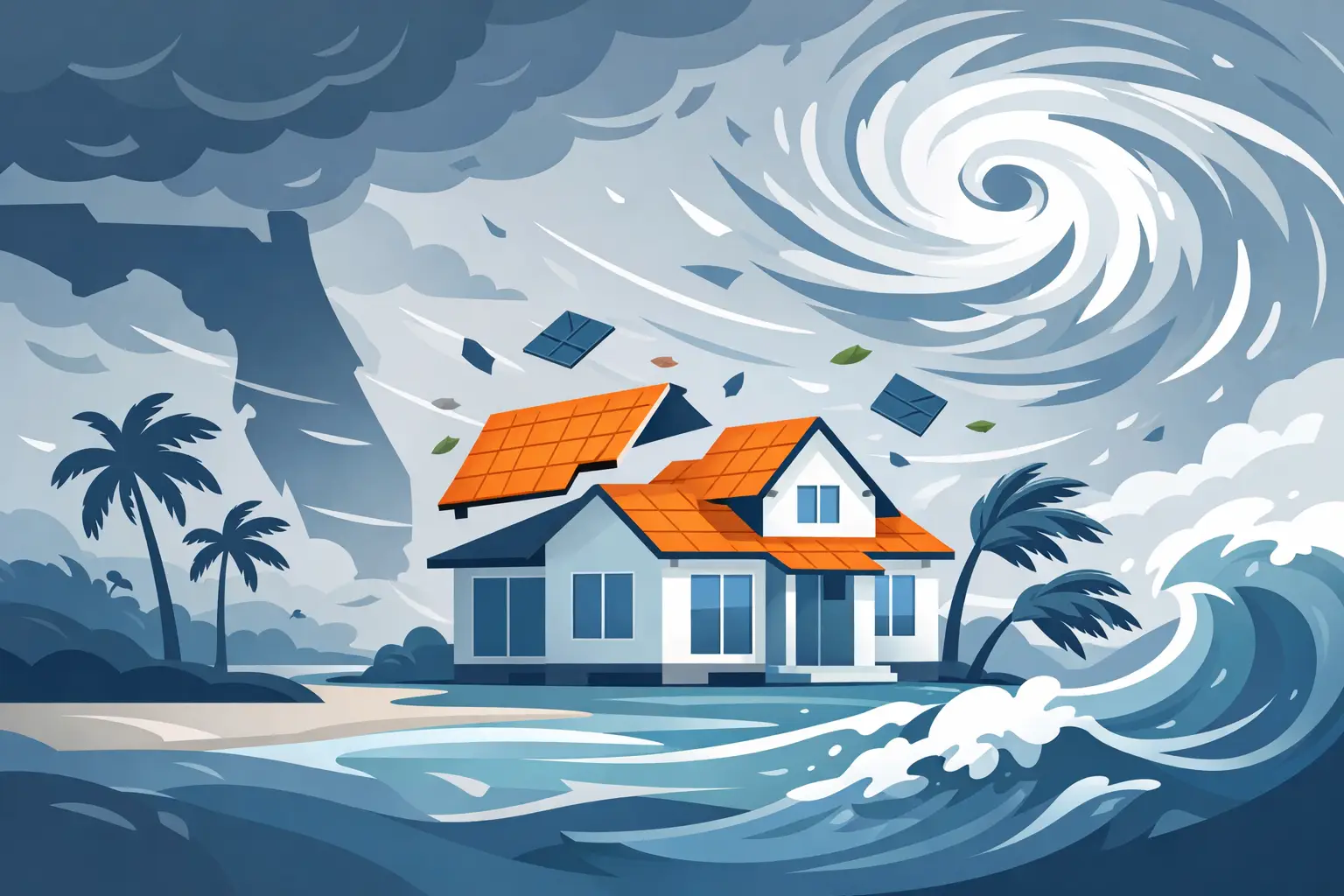
A hurricane does not test a roof gently. It pushes upward at roof edges, drives rain beneath weak seams, and turns loose debris into flying hazards. So, can modular roofs handle hurricanes? Yes, they can provide strong hurricane performance when the roof system is designed for the home, properly installed, and maintained before storm season arrives. But no roof can make a home invincible, especially when wind speeds, water exposure, and existing damage exceed its design limits.
For Florida modular, mobile, and manufactured homeowners, the real question is not whether a roof is labeled hurricane-resistant. It is whether the entire system – materials, fit, attachment, flashing, drainage, and workmanship – is ready to perform when conditions become severe.
Can Modular Roofs Handle Hurricanes? It Depends on the System
Modular homes are built differently from many site-built houses, and their roofs need to be treated accordingly. Dimensions, roof pitch, framing, edge details, and connections can vary by manufacturer and model. A roofing approach that works on a conventional home may not provide the right fit or attachment for a manufactured or modular structure.
A well-built modular roof can stand up to hurricane conditions, but performance depends on several connected factors. The roof covering must resist wind uplift. The fasteners and attachment points must be secure. Seams, penetrations, ridge areas, and perimeter edges must be sealed against wind-driven rain. Just as importantly, the roof structure and the home itself must be in sound condition.
Hurricanes often expose the small issues that have been developing for years: a lifted edge, deteriorated sealant, loose flashing, rusted fasteners, soft decking, or water damage around a vent. During a major storm, those minor openings can become the path for costly interior damage.
Why Hurricane Winds Damage Roofs
Wind does not simply blow across a roof. As it moves over the home, it can create uplift pressure that tries to pull roofing materials upward. Roof edges, corners, ridges, and areas around vents or other penetrations are especially vulnerable because wind pressure can be stronger there.
Once an edge or seam begins to lift, wind can work underneath the roof covering. Rain follows the same opening. This is why a roof may look acceptable from the ground but still fail during a storm. The weak point is often not the main field of the roof. It is the detail work around it.
For manufactured homes, added roof-over systems and replacement roofing solutions must also account for weight and fit. A heavier material is not automatically a safer choice. The right solution balances wind resistance, water protection, drainage, structural compatibility, and long-term maintenance needs.
What Makes a Modular Roof More Hurricane-Ready
Hurricane readiness starts with a custom-fit design. Roofing materials should follow the home’s actual measurements, roof slope, edge profile, and drainage pattern. Gaps, awkward transitions, and poorly fitted panels create opportunities for water intrusion and wind uplift.
Proper fastening is equally important. Fasteners need to be selected and installed according to the roofing system and the condition of the supporting structure. Too few fasteners, improper spacing, or attachment into weakened material can compromise a roof even when the surface material is high quality.
Sealing and flashing deserve close attention. Vents, pipes, chimneys, skylights, roof transitions, and perimeter edges all require careful weatherproofing. Florida storms bring sideways rain, not just rainfall from above. A dependable roof needs to keep water out from every direction.
Material selection matters as well. Metal roofing and specialized roof-over systems are common options for mobile and manufactured homes because they can offer durability, efficient water shedding, and long service life when installed correctly. The best material for one home may not be the best choice for another. Roof pitch, existing roof condition, local exposure, budget, and the homeowner’s long-term plans all influence the decision.
The Roof Is Only One Part of Storm Protection
A strong roof is essential, but hurricane performance involves more than the roofing surface. The home’s anchoring system, walls, windows, doors, and overall structural condition all play a role. If a home is not properly secured, the roof alone cannot solve every storm-risk concern.
Homeowners should also understand that wind ratings and building requirements may vary by location. Coastal and high-wind areas can have stricter standards than inland communities. Permitting requirements, product approvals, and installation methods should be reviewed for the specific property rather than assumed from a neighbor’s home or a general online recommendation.
This is one reason specialist experience matters. A contractor who regularly works on modular and manufactured homes understands that a roof must be compatible with the structure beneath it, not simply placed on top of it.
Warning Signs to Address Before Hurricane Season
The best time to assess a roof is before a named storm is approaching. Emergency repairs can be more difficult to schedule, and temporary patches may not address underlying problems.
Watch for stains on ceilings or walls, drips after heavy rain, loose or missing trim, lifted metal edges, cracked sealant around roof penetrations, rusted fasteners, sagging areas, or visible gaps near flashing. A musty odor inside the home may also point to a slow roof leak or trapped moisture.
Age matters, too. Even if a roof is not actively leaking, years of Florida sun, heat, humidity, and heavy rain can break down coatings, sealants, and attachment points. An inspection can identify whether a repair is reasonable or whether a replacement or roof-over system would offer better long-term value.
How to Prepare a Modular Roof for a Hurricane
Start with a professional roof inspection well ahead of storm season. The inspection should look beyond the visible roof surface and evaluate seams, edges, fasteners, flashing, drainage, and signs of moisture damage. If repairs are needed, complete them early enough for sealants and materials to cure as required.
Keep gutters, roof valleys, and drainage paths clear where applicable. Standing water can reveal drainage problems and place added stress on already vulnerable areas. Trim branches that hang over the roof, especially limbs that could scrape the surface or fall during high winds.
Avoid climbing onto the roof unless you are trained and equipped to do so safely. Walking in the wrong place can damage panels, seams, or underlying materials. It can also be dangerous on wet, aging, or low-slope roofs.
When a hurricane watch or warning is issued, focus on personal safety and follow local emergency guidance. Do not attempt roof repairs during dangerous weather. After the storm has passed and conditions are safe, inspect from the ground for obvious damage, take photos, and arrange a professional evaluation if you see missing materials, lifted edges, debris impacts, or signs of leaks inside.
Repair or Replace? Making the Practical Choice
A focused repair may be the sensible option when damage is limited, the existing roof is in otherwise good condition, and the issue can be corrected without compromising surrounding materials. Re-sealing a penetration, replacing damaged trim, or repairing a localized section may restore protection and extend the roof’s service life.
Replacement becomes a stronger consideration when leaks keep returning, the roof has widespread corrosion or deterioration, materials are lifting in multiple areas, or the underlying structure shows moisture damage. For many homeowners, a custom roofing upgrade can reduce repeated repair costs while providing greater confidence before future storm seasons.
The lowest upfront price is not always the most affordable solution over time. A poorly fitted roof may lead to water damage, insulation problems, interior repairs, and repeated service calls. A system built for the home can deliver better value by addressing the actual source of the risk.
Choose Protection Built for Your Home
Florida weather demands more from a modular roof than ordinary day-to-day shelter. It needs to handle intense sun, hard rain, humidity, and the possibility of hurricane-force winds without leaving your home exposed at its most vulnerable points.
Tropical Seal focuses on tailored roofing solutions for modular, mobile, manufactured, and trailer homes because details matter. A careful assessment and custom-fit installation can help you move into storm season with a roof designed to protect what matters most: your home, your comfort, and your peace of mind.